
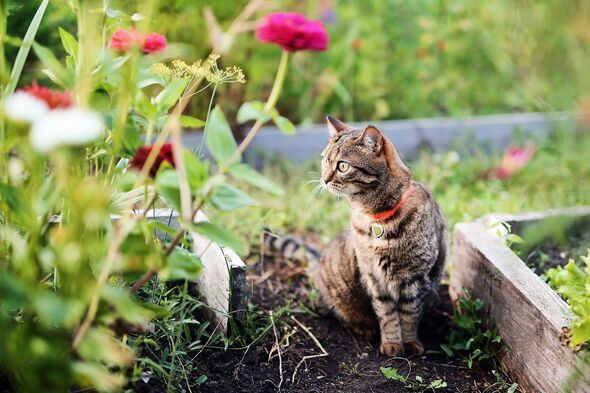
Finding cat mess in the garden is enough to annoy even the most patient homeowner, especially when it becomes a persistent problem. But while many people assume there is very little they can legally do to discourage the roaming pets from paying them a visit, there are actually several options available.
According to Cats Protection, cats naturally roam beyond their owners' homes and are legally allowed to wander into neighbouring gardens in the UK. However, the charity says homeowners can still use safe and humane deterrents to stop cats treating outdoor spaces like litter trays. The Express has some suggestions.
1. Citrus PeelCats are known to have a strong dislike for strong smells, making orange and lemon peel a popular natural deterrent. Gardening experts say placing peel near flowerbeds or garden borders may help stop repeat visits.
2. Motion-activated sprinklersAccording to the RSPCA, sudden bursts of water can safely discourage cats from entering gardens without harming them. Motion-activated sprinklers are commonly used to deter wildlife and roaming pets.
3.Cover exposed soil
Cats often prefer soft soil when digging or toileting. The Royal Horticultural Society (RHS) suggests using gravel, stones or bark to make flowerbeds less appealing toilets.
4. Chicken WireSome gardeners lay chicken wire flat over flowerbeds to stop cats digging into the soil. Plants can still grow through the gaps while making the surface uncomfortable for animals to walk on.
Ultrasonic devices emit high-frequency sounds designed to discourage cats from entering certain areas. These products are widely available in garden centres and DIY stores across the UK.
6. No food zoneCats Protection warns that leftover pet food, bird seed and overflowing bins can attract cats into gardens. Securing rubbish and feeding areas may help reduce repeat visits.
7. Prickly shrubsThe RHSsays dense or prickly plants can discourage cats from entering flowerbeds or digging near plants. Shrubs such as holly or thorny varieties are commonly recommended.
8. Cat-proof fencingProtectaPet says specially designed fencing rollers and barriers are becoming increasingly popular among homeowners struggling with persistent cat visits. These systems aim to stop cats climbing over fences without harming them.
9. Open dialogueConsumer experts generally recommend discussing the issue politely if one cat appears to be causing repeated problems. While owners are not usually legally responsible simply because cats roam, conversations can sometimes help reduce tensions.
Online discussions show how divisive garden fouling disputes can become, especially during warmer months when families spend more time outdoors. However, animal welfare groups consistently stress that any deterrents used should remain humane and avoid harming cats.
Contact to : xlf550402@gmail.com
Copyright © boyuanhulian 2020 - 2023. All Right Reserved.