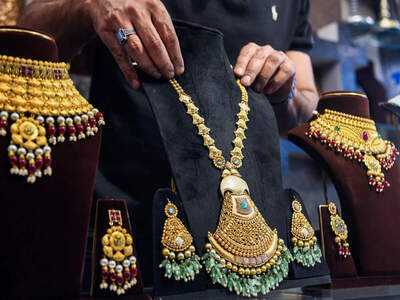
India’s surged more than 1,500% in the July-September quarter as higher import duties encouraged traders to increasingly rely on unofficial channels to bring in the precious metal, according to a report by the World Gold Council (WGC).
Informal gold shipments rose to 50 metric tons in the third quarter from just 3 tons in the year-ago period, marking their highest level since 2023, the WGC said, citing data from consultancy Metals Focus. The report, however, did not specify how the volume of informal imports was estimated.
Also read: 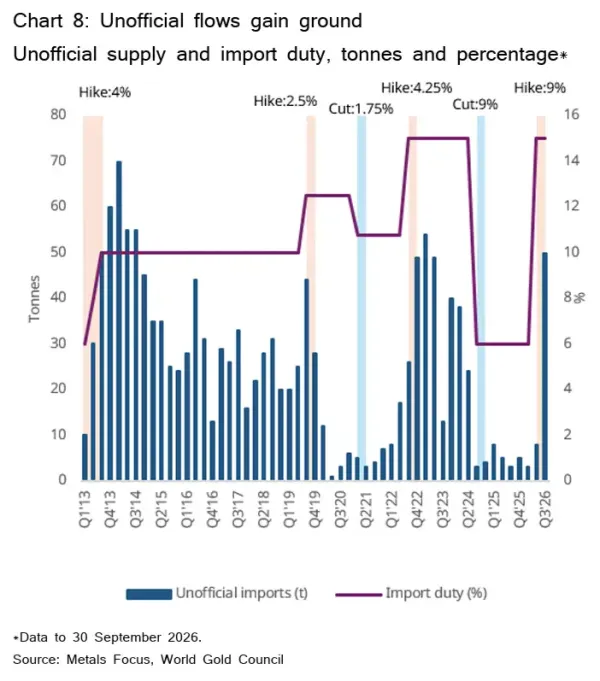 Such shipments generally bypass official import duties through routes such as smuggling and gold brought into the country in small quantities by individuals. Historically, increases in import taxes have tended to “increase the incentive” for unofficial inflows, the WGC said.
The expansion of the informal market comes after the government more than doubled import duties on gold and silver to 15% earlier this year, in a bid to rein in precious metal purchases and contain the widening trade deficit amid elevated energy prices.
India, the world's second-largest gold consumer, relies heavily on imports to meet domestic demand, given its limited domestic production. Gold holds significant cultural and financial importance for Indian households, with purchases driven by weddings, religious occasions and festivals. The metal is also widely used as jewellery, a gift and a store of family wealth.
Higher import duties have also encouraged a shift towards cash-based, under-the-counter transactions within the domestic market. In such deals, gold and jewellery are sold without invoices, making it harder for authorities to track transactions and monitor the movement of bullion.
Also read:
India's overall gold demand, which includes jewellery and investment purchases, increased sequentially in the third quarter. However, most indicators continued to point to lower consumption compared with the same period last year, the WGC report said.
Demand usually gathers momentum in the October-December quarter, supported by major festivals such as Diwali and the wedding season. This year, however, the anticipated seasonal recovery could be weaker than expected.
Jewellers are currently exercising caution in their purchases, according to the country's largest precious metal refiner, as they expect the recent correction in gold prices to extend further.
Gold prices fell 6.8% in October, slipping below the psychologically important $4,000-per-ounce mark, and have continued to trade beneath that level since then. The price correction could influence buying decisions among both consumers and jewellers during the peak festive and wedding season.
Contact to : xlf550402@gmail.com
Copyright © boyuanhulian 2020 - 2023. All Right Reserved.