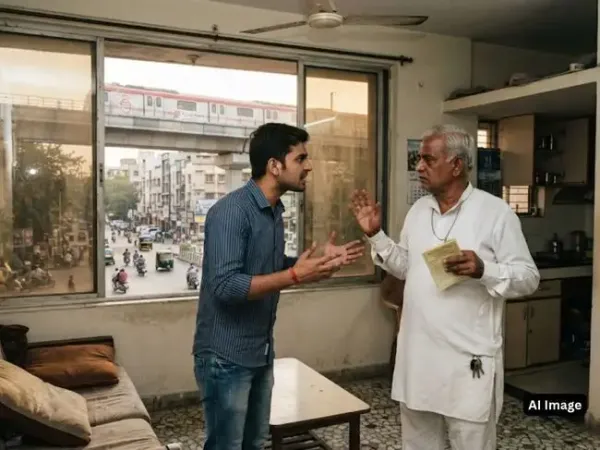
Pune landlord wants higher rent after Metro Line 3 opens; tenant questions 11-month agreement
A Pune tenant has sought advice online after their landlord allegedly demanded a Rs 3,000 monthly rent increase just two months after they moved into a flat near Hinjewadi Phase 1, citing the opening of a nearby metro station. The tenant shared the experience in an online post, questioning whether a landlord can revise the rent midway through an 11-month rental agreement.
The tenant said they had relocated to Pune for work and were looking for accommodation close to their office in Hinjewadi. After encountering difficulties with local brokers, including demands for advance token money before property visits and listings featuring misleading photographs, they turned to online rental platforms.
They eventually found a direct-owner listing on NoBroker for a flat near Hinjewadi Phase 1, around 10 minutes from their workplace. The property was spacious and within their budget, and they signed an agreement before moving in.
However, the situation reportedly changed after Pune Metro Line 3 opened on November 4, with the tenant saying the landlord subsequently demanded an additional Rs 3,000 in monthly rent because of the improved connectivity.
The tenant objected, pointing out that both parties had agreed on the rent only two months earlier and that the landlord should wait until the 11-month agreement expired before seeking a revision.
However, the landlord reportedly argued that the agreement did not specifically state that rent could only be increased after a certain number of months.
The tenant said a review of the document showed that it did not contain a clause clearly restricting mid-term rent increases. They admitted assuming that rent would remain unchanged during the agreement period and regretted not insisting on including an explicit provision.
While acknowledging that metro connectivity could make the neighbourhood more attractive to tenants and increase property values, the tenant questioned why they should have to pay more so soon after signing the rental agreement.
One user suggested that if the agreement specified a fixed rent, the tenant should ask the landlord to honour it and wait for a formal notice rather than agree to an immediate increase.
Another commenter argued that a landlord should respect the rent agreed upon in an 11-month contract, adding that the opening of a nearby metro station does not automatically justify raising the amount midway through the tenancy.
A third user, however, pointed out that the absence of a lock-in clause could leave the tenant vulnerable to a demand to vacate if they refused the increase, depending on the agreement's terms.
Another reaction criticised the wider impact of metro-led property appreciation, arguing that infrastructure built using public money can make nearby housing less affordable for the very taxpayers who fund it.
The discussion has brought attention to the importance of clearly specifying rent escalation provisions, lock-in periods and termination conditions before signing rental agreements.
Disclaimer: This article is based on claims, statements, images, videos and other information shared by users on social media platforms. The ET.com has not independently verified the authenticity, accuracy or completeness of these claims unless expressly stated otherwise. The views, allegations and assertions contained in the social media content are those of the respective users and do not reflect the views of The ET.com. The publication bears no responsibility for the accuracy of such claims and readers are advised to exercise their own judgment and seek independent verification where necessary.
The tenant said they had relocated to Pune for work and were looking for accommodation close to their office in Hinjewadi. After encountering difficulties with local brokers, including demands for advance token money before property visits and listings featuring misleading photographs, they turned to online rental platforms.
They eventually found a direct-owner listing on NoBroker for a flat near Hinjewadi Phase 1, around 10 minutes from their workplace. The property was spacious and within their budget, and they signed an agreement before moving in.
However, the situation reportedly changed after Pune Metro Line 3 opened on November 4, with the tenant saying the landlord subsequently demanded an additional Rs 3,000 in monthly rent because of the improved connectivity.
Landlord cites Pune Metro Line 3 opening to demand higher rent
According to the tenant's post, the landlord argued that the new metro connection had increased the area's rental value and that the existing rent was too low for a property in such a strategically located neighbourhood.The tenant objected, pointing out that both parties had agreed on the rent only two months earlier and that the landlord should wait until the 11-month agreement expired before seeking a revision.
However, the landlord reportedly argued that the agreement did not specifically state that rent could only be increased after a certain number of months.
The tenant said a review of the document showed that it did not contain a clause clearly restricting mid-term rent increases. They admitted assuming that rent would remain unchanged during the agreement period and regretted not insisting on including an explicit provision.
While acknowledging that metro connectivity could make the neighbourhood more attractive to tenants and increase property values, the tenant questioned why they should have to pay more so soon after signing the rental agreement.
Internet users divided over landlord's demand for rent hike
The post prompted different reactions, with some users advising the tenant to stick to the agreed amount, while others pointed to the importance of checking the terms of a rental agreement before signing it.One user suggested that if the agreement specified a fixed rent, the tenant should ask the landlord to honour it and wait for a formal notice rather than agree to an immediate increase.
Another commenter argued that a landlord should respect the rent agreed upon in an 11-month contract, adding that the opening of a nearby metro station does not automatically justify raising the amount midway through the tenancy.
A third user, however, pointed out that the absence of a lock-in clause could leave the tenant vulnerable to a demand to vacate if they refused the increase, depending on the agreement's terms.
Another reaction criticised the wider impact of metro-led property appreciation, arguing that infrastructure built using public money can make nearby housing less affordable for the very taxpayers who fund it.
The discussion has brought attention to the importance of clearly specifying rent escalation provisions, lock-in periods and termination conditions before signing rental agreements.
Disclaimer: This article is based on claims, statements, images, videos and other information shared by users on social media platforms. The ET.com has not independently verified the authenticity, accuracy or completeness of these claims unless expressly stated otherwise. The views, allegations and assertions contained in the social media content are those of the respective users and do not reflect the views of The ET.com. The publication bears no responsibility for the accuracy of such claims and readers are advised to exercise their own judgment and seek independent verification where necessary.